



Let us simplify your medical billing.

Accurate financial reporting and reconciliation are essential for medical practices that want to maintain organized finances, monitor revenue, and make informed business decisions. Healthcare organizations handle payments from patients, insurance companies, and other sources, making financial management more complex than in many traditional businesses. Accurate Financial Reporting & Reconciliation for Medical Practices helps healthcare providers maintain reliable financial records by regularly comparing transactions, identifying discrepancies, and organizing important financial information. With proper reporting and reconciliation processes, medical practices can better understand their financial performance, track outstanding balances, identify errors, and maintain accurate records for internal management and accounting purposes.
Financial reporting for medical practices involves organizing and presenting financial information so practice owners, administrators, and authorized stakeholders can understand the organization’s financial position and performance. Reports may include revenue summaries, expense reports, accounts receivable information, payment records, outstanding balances, and other financial data relevant to the practice. Accurate financial reports provide a clearer view of how much revenue the practice generates, where money is being spent, and which areas may require additional attention. A structured reporting process also helps management review financial trends over time and use reliable information when planning budgets, managing expenses, and making operational decisions.
Accurate financial reporting is important because healthcare practices need reliable information to manage their day-to-day operations and long-term financial planning. Errors or incomplete records can make it difficult to determine actual revenue, outstanding payments, expenses, and overall financial performance. Consistent reporting gives practice managers access to organized information that can be reviewed regularly instead of relying on incomplete or outdated records. Financial reports can also help identify changes in revenue, increases in expenses, unusual transactions, or growing accounts receivable balances. By maintaining accurate financial information, medical practices can create a stronger foundation for effective administrative and financial management.
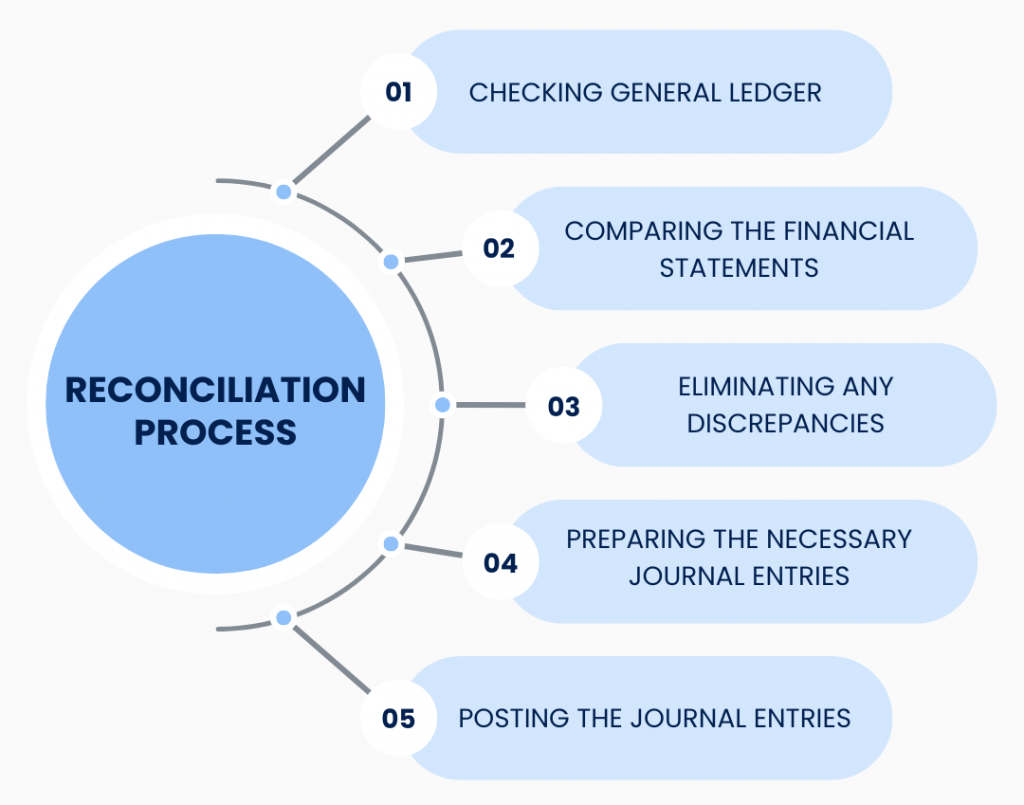
Account reconciliation involves comparing financial records from different sources to confirm that transactions have been recorded correctly and that balances are consistent. For medical practices, reconciliation may involve comparing bank statements, payment records, accounting records, billing information, and other financial data. Reconciliation professionals review transactions to identify differences, missing entries, duplicate records, or other discrepancies that may affect financial accuracy. Regular reconciliation helps practices detect issues earlier rather than allowing small errors to accumulate over time. A consistent reconciliation process can therefore support cleaner financial records and provide administrators with greater confidence when reviewing financial information.
Bank reconciliation is an important financial control for healthcare organizations because it compares the transactions recorded in the practice’s financial system with transactions reported by the bank. Differences may occur because of outstanding checks, deposits in transit, bank charges, timing differences, or recording errors. Reviewing these differences helps determine whether the practice’s accounting records accurately reflect its actual banking activity. Regular bank reconciliation can also help identify unusual transactions or missing entries that may otherwise remain unnoticed. Medical practices can use reconciliation reports to maintain better control over cash activity and ensure that financial records are updated accurately.
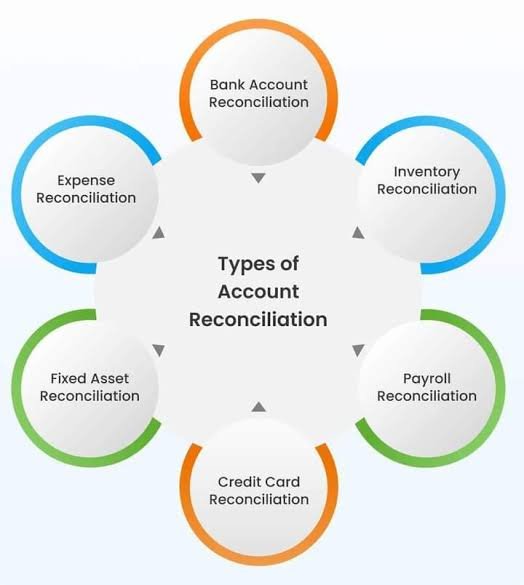
Medical practices receive payments through multiple channels, including insurance reimbursements, patient payments, electronic transactions, checks, and other approved methods. Keeping these transactions organized is essential for maintaining accurate financial records. Payment reconciliation involves comparing payments received with the corresponding records in billing and accounting systems to confirm that amounts have been properly recorded. Professionals can review transaction details, identify discrepancies, and help ensure that payments are allocated to the appropriate accounts. Consistent payment reconciliation can reduce confusion around received funds and provide a clearer picture of the practice’s actual collections and outstanding balances.
Accounts receivable represents money that is owed to a medical practice but has not yet been collected. Monitoring accounts receivable is important because a practice may generate significant revenue while still experiencing cash-flow challenges if outstanding balances are not managed effectively. Financial reporting can provide information about current receivables, aging balances, payer-related outstanding amounts, and patient balances. Regular reporting helps administrators understand where unpaid amounts are concentrated and whether additional follow-up may be required. When accounts receivable information is accurate and regularly reviewed, healthcare organizations can make more informed decisions about billing processes and collection activities.
Financial discrepancies can occur for many reasons, including incorrect transaction entries, duplicate payments, missing records, timing differences, or inconsistencies between billing and accounting systems. Reconciliation procedures provide an opportunity to compare records and identify these differences before they create larger reporting problems. Financial professionals can investigate discrepancies and document the appropriate corrections according to the practice’s accounting procedures. Identifying errors early can make financial management more efficient and help maintain reliable records. Regular reviews also provide an additional layer of oversight for practices that process large numbers of financial transactions each month.
Monthly financial reporting gives healthcare administrators a consistent way to review the practice’s financial performance. Monthly reports may include revenue, expenses, collections, accounts receivable, payment activity, and other financial indicators relevant to the organization. Reviewing financial information each month can help management identify trends and compare current performance with previous periods. It can also highlight areas where expenses have increased or revenue has changed unexpectedly. A consistent monthly reporting schedule allows medical practices to maintain better financial visibility and address potential issues before they become more difficult to manage.
Tracking revenue and expenses is essential for understanding the financial health of a medical practice. Revenue may come from insurance payments, patient payments, and other healthcare services, while expenses can include payroll, technology, supplies, office costs, professional services, and operational overhead. Organized financial reporting allows administrators to compare incoming revenue with outgoing expenses and identify changes over time. Accurate expense tracking can also help practices understand where resources are being used and support more informed budgeting decisions. By maintaining consistent records for both revenue and expenses, healthcare organizations can develop a clearer understanding of their overall financial performance.
Outsourcing financial reporting and reconciliation can provide medical practices with access to experienced financial professionals without requiring the organization to manage every task internally. External professionals can handle routine reporting, transaction reviews, reconciliation activities, and financial data organization according to established procedures. This can reduce the workload on internal administrative employees and allow practice managers to focus on operational priorities. Outsourcing can also provide flexibility for growing practices that need additional financial support as transaction volumes increase. When an outsourcing provider follows appropriate security, confidentiality, and quality-control procedures, external financial support can become an effective part of a medical practice’s administrative workflow.
Financial records often contain sensitive business and patient-related information, making secure data management an important consideration for healthcare organizations. Medical practices should establish appropriate controls for accessing, storing, transmitting, and reviewing financial information. Authorized personnel should only access the information required for their assigned responsibilities, while appropriate security measures should be maintained across financial and accounting systems. Practices working with external financial service providers should also evaluate their data protection procedures, workforce training, access controls, and contractual responsibilities. Strong financial data management can help reduce unauthorized access risks while supporting reliable reporting and reconciliation processes.
Reliable financial information gives medical practice owners and administrators a stronger foundation for making operational decisions. Accurate reports can help management understand revenue trends, monitor expenses, review accounts receivable, and identify areas that may require additional attention. Reconciliation can further improve confidence in financial information by confirming that records from different sources are consistent. With organized financial data, practices can evaluate their current position and plan future operational activities more effectively. Financial reporting does not replace professional accounting or financial advice, but it provides important information that authorized decision-makers can use when managing the practice.
Regular reconciliation provides medical practices with an ongoing method for reviewing financial records and identifying inconsistencies. Waiting until the end of a long reporting period can make it more difficult to determine when an error occurred or why two records do not match. Regular reconciliation allows discrepancies to be reviewed closer to the time they occur, making investigation and correction more manageable. When combined with accurate transaction recording and consistent financial reporting, reconciliation can support cleaner records and better financial visibility. Medical practices can establish daily, weekly, or monthly reconciliation procedures depending on transaction volume and organizational requirements.
Accurate financial reporting and reconciliation can help medical practices maintain organized financial records, monitor revenue and expenses, review accounts receivable, and identify discrepancies. Accurate Financial Reporting & Reconciliation for Medical Practices provides a structured approach to comparing financial information and producing reliable reports for authorized practice administrators and stakeholders. By using consistent reporting procedures, regular reconciliation, secure data management, and experienced financial professionals, healthcare organizations can improve financial visibility and reduce administrative challenges. Whether a practice needs ongoing monthly reporting, bank reconciliation, payment reconciliation, or broader financial support, a well-organized process can contribute to more efficient financial management and stronger administrative operations.


Legacy Billing Solutions provides professional healthcare billing services tailored to behavioral health providers. Our reliable revenue cycle management solutions reduce administrative workload, improve financial performance, and support long-term operational success. We focus on accuracy, compliance, and timely reimbursements to ensure steady cash flow and long-term financial stability for your practice.
©2026 Legacy Billing Solutions. All Rights Reserved.