



Let us simplify your medical billing.

Healthcare providers in the United States face increasing administrative challenges when managing insurance verification and prior authorization requirements. These processes can take valuable time away from patient care while creating delays in treatment, claim denials, and revenue cycle problems. Prior authorization and insurance verification outsourcing in the USA gives medical practices, hospitals, clinics, and healthcare organizations access to experienced professionals who can manage these critical tasks efficiently. Outsourcing helps providers confirm patient coverage, understand insurance benefits, obtain required authorizations, and maintain accurate documentation before services are delivered. A dedicated outsourcing team can also reduce administrative workloads and improve communication between providers, patients, and insurance companies. By streamlining these processes, healthcare organizations can improve operational efficiency, reduce avoidable billing issues, and create a smoother patient experience.
Insurance verification is the process of confirming a patient’s insurance eligibility, coverage, benefits, deductibles, copayments, coinsurance, exclusions, and other policy details before medical services are provided. Accurate verification allows healthcare providers to understand what services are covered and what financial responsibility may remain with the patient. When insurance information is not verified correctly, providers may experience claim rejections, unexpected patient balances, delayed payments, and unnecessary billing disputes. Professional insurance verification outsourcing helps healthcare organizations review patient insurance information before appointments and procedures. Outsourced specialists can verify eligibility through payer portals, electronic systems, and other approved communication channels while documenting important coverage information. This proactive approach allows providers to identify potential issues early and communicate financial expectations more clearly with patients. As a result, insurance verification can support cleaner claims, fewer surprises, and a more organized revenue cycle.
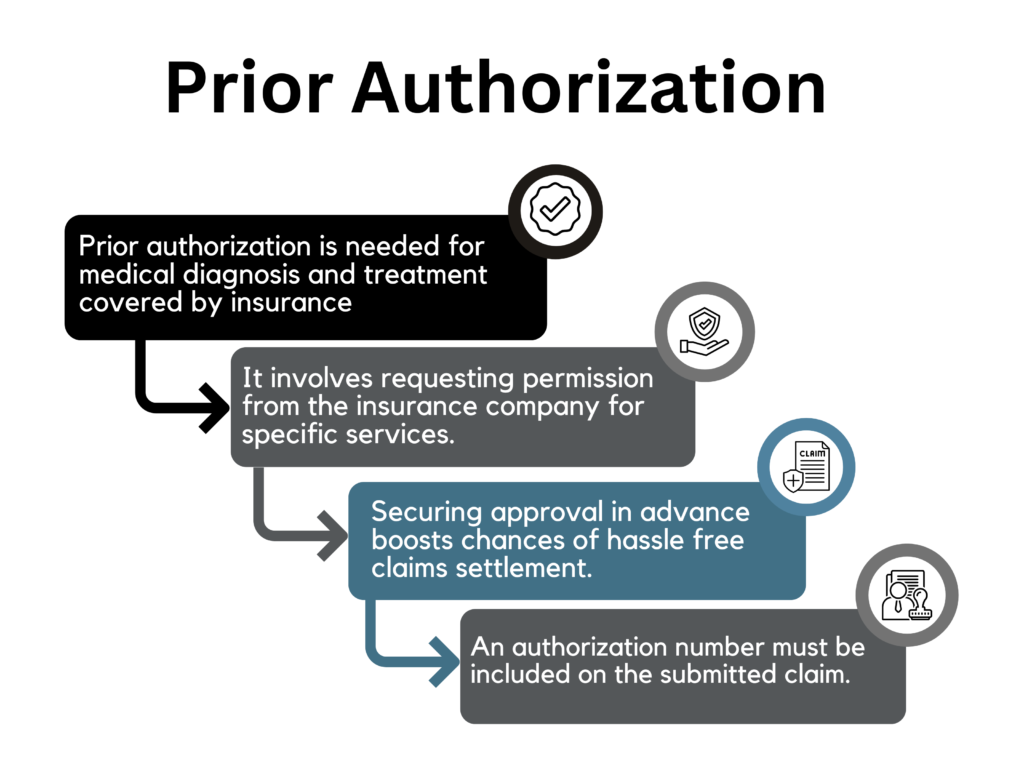
Prior authorization is the process through which an insurance company reviews certain medical services, treatments, medications, procedures, or equipment before agreeing to provide coverage. Depending on the payer and patient’s policy, authorization may be required for diagnostic tests, surgeries, advanced imaging, specialty treatments, durable medical equipment, and other healthcare services. Managing these requirements can be time-consuming because each insurance company may have different rules, forms, documentation requirements, and processing timelines. Outsourcing prior authorization allows trained specialists to handle these administrative responsibilities on behalf of healthcare providers. They can determine whether authorization is required, collect supporting documentation, submit requests, monitor authorization status, and communicate with payers when additional information is needed. Effective authorization management helps reduce treatment delays and lowers the risk of claims being denied because a required authorization was missing or incomplete. It also gives clinical teams more time to focus on patient care instead of spending hours navigating payer procedures.
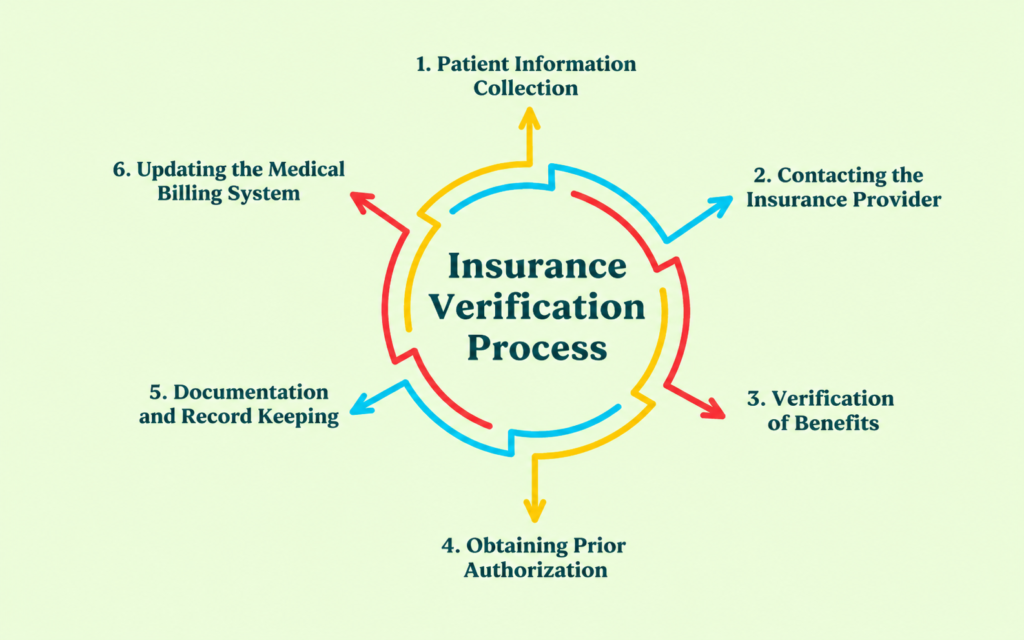
Professional insurance verification outsourcing can cover a wide range of administrative activities designed to support the healthcare revenue cycle. Services may include patient eligibility verification, benefits verification, coverage confirmation, deductible and coinsurance checks, copayment verification, out-of-pocket maximum review, policy status checks, payer portal verification, and documentation of insurance information. Outsourcing teams can also identify whether a provider is in-network or out-of-network and determine whether referrals or additional requirements apply. Accurate information is then recorded according to the provider’s workflow so front-desk, billing, and clinical teams can access the information they need. This organized process helps reduce manual work and improves consistency across patient accounts. By outsourcing these responsibilities to trained professionals, healthcare organizations can maintain a reliable verification process without placing additional pressure on internal administrative staff.
A complete prior authorization outsourcing process can begin with identifying services that require payer approval and continue through authorization submission and follow-up. Outsourcing specialists review payer requirements and gather the necessary clinical and administrative documentation from the appropriate sources. They then prepare and submit authorization requests according to the insurance company’s procedures. After submission, specialists monitor the request and follow up with the payer when necessary. If additional information is requested, the team coordinates with the appropriate healthcare staff to obtain and submit the required documentation. Once a decision is received, authorization details can be documented for future reference and billing purposes. This end-to-end approach helps providers maintain better visibility over authorization requests and reduces the risk of requests being overlooked. It can also help minimize unnecessary delays caused by incomplete forms, missing information, or poor follow-up.
Outsourcing these services can provide several operational and financial benefits for healthcare organizations. One major advantage is reduced administrative workload because internal employees no longer have to manage every insurance-related verification and authorization task. Outsourcing can also improve turnaround times by assigning these responsibilities to dedicated specialists who regularly work with payer requirements. Better verification can help identify coverage issues before services are provided, while effective authorization management can reduce preventable denials. Another benefit is improved staff productivity because physicians, nurses, front-office employees, and billing teams can spend more time on their primary responsibilities. Outsourcing may also provide access to trained staff without requiring a healthcare organization to manage additional recruitment, training, salaries, benefits, and infrastructure. Overall, a well-managed outsourcing solution can help healthcare providers create a more efficient administrative workflow while supporting a healthier revenue cycle.
Insurance-related errors are a common source of claim problems for healthcare providers. Claims may be affected by inactive coverage, incorrect insurance information, missing authorizations, incorrect payer details, or failure to meet specific payer requirements. A strong verification and authorization process helps identify many of these issues before claims are submitted. Verification specialists can confirm active coverage and review relevant benefits, while authorization teams can ensure that required approvals are obtained and properly documented. Although outsourcing cannot eliminate every possible denial, it can reduce preventable administrative errors when processes are properly managed. Accurate information at the beginning of the patient journey can also improve downstream billing activities. When front-end processes are handled correctly, billing teams have better information available when preparing and submitting claims.
Insurance verification also plays an important role in the patient experience. Patients often want to understand whether their insurance covers a service and what portion they may need to pay. When providers verify benefits before treatment, they can provide patients with more accurate information about deductibles, copayments, coinsurance, and other potential financial responsibilities. This can help reduce unexpected bills and improve communication between patients and healthcare organizations. Prior authorization management can also support a smoother experience by helping providers identify payer requirements before scheduled procedures or treatments. Instead of discovering authorization problems at the last moment, healthcare teams can address potential issues earlier. Better communication and preparation can increase patient confidence while reducing administrative frustration.
Healthcare organizations often choose outsourcing because insurance verification and prior authorization require significant time, attention to detail, and knowledge of payer procedures. Maintaining an internal team for these tasks can become expensive, particularly for smaller practices and growing healthcare organizations. Outsourcing provides access to dedicated professionals who can work according to established workflows and service requirements. It can also offer greater flexibility as patient volumes change. Providers can outsource specific tasks or develop a broader administrative support model based on their operational needs. With appropriate quality controls, documentation procedures, and communication channels, outsourcing can become an extension of the provider’s administrative team. This allows healthcare organizations to focus more effectively on clinical operations while trained specialists manage time-consuming insurance-related responsibilities.
Choosing the right outsourcing partner is important because insurance verification and prior authorization directly affect patient access, billing accuracy, and revenue cycle performance. Healthcare organizations should look for a service provider with experienced staff, structured workflows, strong quality-control procedures, secure handling of patient information, and familiarity with U.S. insurance processes. Clear communication and regular performance reporting are also important for maintaining service quality. A reliable outsourcing partner should understand the importance of accurate documentation, timely follow-up, and consistent verification procedures. With the right support, medical practices and healthcare organizations can reduce administrative pressure, improve front-end revenue cycle processes, and create a more efficient patient journey. Prior Authorization & Insurance Verification Outsourcing in USA provides a practical way for healthcare providers to manage complex insurance requirements while improving operational efficiency and allowing internal teams to focus on delivering quality patient care.
Prior authorization and insurance verification are essential components of an effective healthcare revenue cycle. However, managing these responsibilities internally can require substantial time and resources. Outsourcing provides healthcare organizations with access to dedicated professionals who can verify eligibility, review benefits, manage authorization requests, follow up with insurance companies, and maintain accurate documentation. By strengthening these front-end processes, providers can reduce avoidable administrative errors, support cleaner claims, improve patient communication, and increase staff productivity. For medical practices, clinics, hospitals, and other healthcare organizations in the United States, professional outsourcing can be a valuable strategy for creating a more organized and efficient billing operation.


Legacy Billing Solutions provides professional healthcare billing services tailored to behavioral health providers. Our reliable revenue cycle management solutions reduce administrative workload, improve financial performance, and support long-term operational success. We focus on accuracy, compliance, and timely reimbursements to ensure steady cash flow and long-term financial stability for your practice.
©2026 Legacy Billing Solutions. All Rights Reserved.